
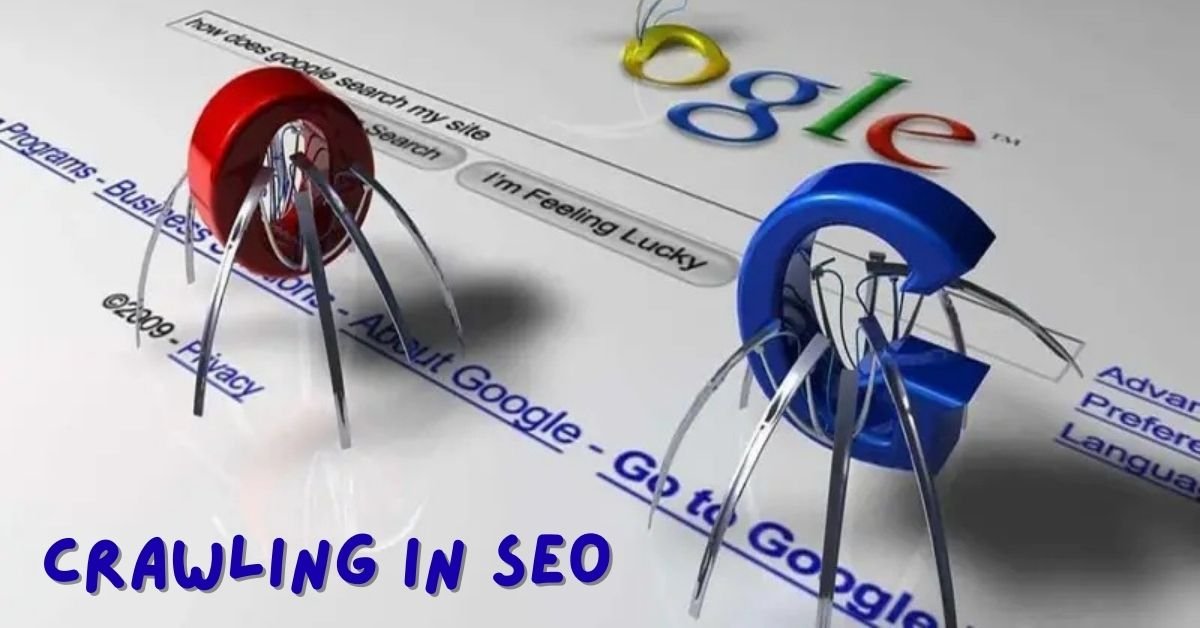
Crawling in SEO is the process where search engine bots visit and scan webpages to discover new content across the internet. These bots, also called search engine crawlers or spiders, travel through links from one page to another and collect information about website content.
For search engines like Google, crawling is the first step in understanding a website before indexing and ranking pages in search results. If a page is not crawled, search engines cannot analyze it or include it in their index. That means the page will not appear in search results regardless of how good the content is.
Understanding how crawling works helps website owners improve their site structure, internal linking, and technical SEO, which ultimately allows search engines to discover and process pages more efficiently.
What Is Crawling in SEO?
Crawling in SEO refers to the automated process where search engine bots systematically browse websites to identify and analyze webpages. These bots scan page content, follow links, and gather information that helps search engines understand what each page is about.
Search engines use specialized programs called web crawlers. For example, Google uses a crawler called Googlebot. This bot visits billions of webpages across the internet every day and continuously discovers new pages or updates existing ones.
When a crawler visits a page, it examines several elements including:
- Page content and text
- Internal and external links
- HTML structure
- Metadata and headings
- Images and media files
All this information helps search engines determine whether a page should be indexed and how it should be categorized.
How Crawling Works in Search Engines
The crawling process follows a structured system that allows search engines to explore the web efficiently.
1. URL Discovery
Crawlers first discover URLs from different sources such as:
- Internal links between pages
- XML sitemaps submitted to search engines
- Previously crawled pages
- External backlinks from other websites
Once a new URL is discovered, the crawler adds it to a crawl queue for further processing.
2. Page Request by Crawlers
After discovering a URL, the search engine bot sends a request to the web server hosting the page. If the server responds successfully, the crawler downloads the page content.
During this stage, the crawler checks the robots.txt file to see whether it is allowed to crawl the page.
3. Content Analysis
Once the page is accessed, the crawler analyzes the page elements such as text, headings, images, and structured data. It also identifies all links on the page.
These links become new discovery paths for the crawler to continue exploring additional pages.
4. Sending Data for Indexing
After the crawling process finishes, the collected information is sent to the search engine’s indexing system. The indexing system organizes and stores the page data so that it can appear in search results when users search for relevant queries.
Why Crawling Is Important for SEO
Crawling plays a critical role in the search engine optimization process because it determines whether search engines can discover and analyze your content.
Content Discovery
Search engines cannot rank pages that they cannot find. Crawling allows bots to locate new pages and understand what information they contain.
Website Visibility
If a website is not crawled properly, its pages will not appear in search engine results. Proper crawlability ensures that search engines can access and evaluate all important pages.
Indexing Preparation
Crawling is the step that occurs before indexing. It provides search engines with the information required to decide whether a page should be added to their search database.
SEO Performance
Websites with better crawlability often experience improved indexing rates, which increases the chances of ranking for relevant keywords.
Crawling vs Indexing vs Ranking
Many beginners confuse crawling with indexing and ranking, but these are three separate stages in the search engine process.
| Process | Meaning |
|---|---|
| Crawling | Bots discover and scan webpages |
| Indexing | Search engines store and organize page data |
| Ranking | Pages appear in search results based on relevance |
A page must be crawled first, then indexed, and finally it can compete for ranking positions in search results.
Factors That Affect Website Crawling
Several technical and structural elements influence how efficiently search engines crawl a website.
Website Structure
A well-organized site structure helps crawlers navigate pages easily. Websites with clear category hierarchies and logical navigation allow bots to find pages faster.
Internal Linking
Internal links help search engine bots move from one page to another. Pages with strong internal links are discovered and crawled more frequently.
XML Sitemap
An XML sitemap provides a list of important URLs on a website. Submitting a sitemap to search engines helps crawlers discover pages quickly.
Page Speed
Slow-loading pages may limit the number of pages crawled during each visit. Faster websites often receive better crawl efficiency.
Robots.txt File
The robots.txt file tells search engine bots which pages they can or cannot crawl. Incorrect configuration may accidentally block important pages.
Expert Tips to Improve Website Crawling
Improving crawlability helps search engines discover your content faster and more efficiently.
- Create and submit an XML sitemap in Google Search Console.
- Build a strong internal linking structure between related pages.
- Ensure all important pages are accessible within three clicks from the homepage.
- Fix broken links and crawl errors regularly.
- Optimize website speed and server performance.
- Avoid blocking important pages in the robots.txt file.
These strategies help search engines crawl more pages on your site and improve your chances of getting indexed quickly.
Common Crawling Mistakes in SEO
Many websites face crawling problems because of technical errors or poor site management.
Blocking important pages in robots.txt – Sometimes developers accidentally block entire directories, preventing search engines from accessing critical pages.
Broken internal links – Broken links interrupt the crawling path and reduce the number of pages bots can discover.
Orphan pages – Pages without internal links are difficult for crawlers to find because they are not connected to the website structure.
Poor site architecture – Complex navigation structures can make it difficult for bots to crawl deeper pages efficiently.
Duplicate URLs – Multiple URLs with the same content can confuse crawlers and waste crawl budget.
Frequently Asked Questions FAQs
1. What is crawling in SEO?
Crawling in SEO is the process where search engine bots visit webpages and scan their content to discover and understand website pages across the internet.
2. What is a search engine crawler?
A search engine crawler is an automated program used by search engines to explore websites, follow links, and collect data about webpages.
3. How often do search engines crawl websites?
The crawling frequency depends on website authority, update frequency, server performance, and internal linking structure.
4. Can a page rank without being crawled?
No. A page must first be crawled and indexed before it can appear in search engine results.
5. How can I check if Google has crawled my website?
Website owners can check crawl status using Google Search Console, which provides reports about crawl activity, indexing status, and crawl errors.