
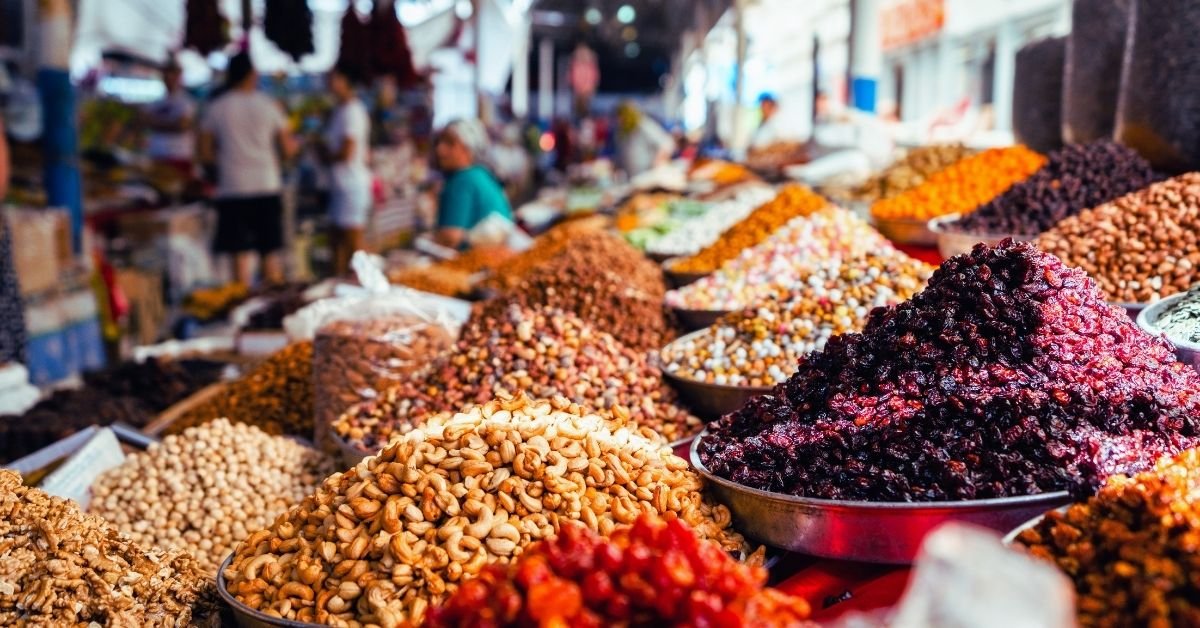
Dry fruits are one of the most nutrient-dense foods available in nature. Whether you call them ‘mewa’, ‘dry fruits’, or ‘nuts and dried fruits’ – they have been a staple part of Indian households for centuries. From a handful of almonds in the morning to a date stuffed with walnut at night, dry fruits have found their way into our daily lives, festivals, and traditional medicine.
In this comprehensive guide, you will find the complete list of dry fruit names in Hindi and English, along with their health benefits, how to eat them correctly, and answers to the most commonly asked questions. Whether you are a parent looking to feed your child better, a fitness enthusiast, or simply curious about what ‘Chilgoza’ or ‘Makhana’ means in English – this article has everything you need.
What Are Dry Fruits?
Dry fruits are fruits or seeds that have had most of their water content removed through natural sun-drying or modern machine-drying processes. This makes them shelf-stable, highly nutritious, and calorie-dense. The drying process concentrates their natural sugars, vitamins, and minerals – making them a powerhouse of nutrition in a small package.
For example, grapes become raisins (Kishmish), plums become prunes (Sukha Aloo Bukhara), and apricots become dried apricots (Khubani). Nuts like almonds (Badam) and cashews (Kaju) are naturally dry seeds and are also grouped under the broad category of ‘dry fruits’ in India.
Types of Dry Fruits
1. Tree Nuts
These are hard-shelled seeds that grow on trees. They are naturally dry and do not require a drying process.
- Almond (Badam), Walnut (Akhrot), Cashew (Kaju)
- Pistachio (Pista), Pine Nut (Chilgoza), Brazil Nut
- Hazelnut, Macadamia Nut, Pecan
2. Dried Fruits
These are fresh fruits that have been dehydrated to preserve them. They are sweeter and higher in sugar than nuts.
- Raisin / Kishmish (dried Grapes), Date / Khajur, Fig / Anjeer
- Apricot / Khubani, Prune / Sukha Aloo Bukhara
- Dried Mango, Dried Cranberry, Dried Blueberry, Dried Cherry
3. Seeds
These are small but incredibly rich in nutrients. Often overlooked, seeds are among the most nutritious dry fruits available.
- Flaxseed (Alsi), Sunflower Seeds (Surajmukhi Beej)
- Pumpkin Seeds (Kaddu ke Beej), Sesame Seeds (Til)
- Chia Seeds, Watermelon Seeds (Tarbuz ke Beej)
30+ Dry Fruit Names in Hindi and English – Complete List
The table below lists all major dry fruits with their English name, Hindi name, and key health benefit. This is the most complete name of dry fruits list available.
| S.No | English Name | Hindi Name | Key Benefit |
| 1 | Almond | Badam (बादाम) | Vitamin E, memory, bone strength |
| 2 | Walnut | Akhrot (अखरोट) | Omega-3, brain & heart health |
| 3 | Cashew | Kaju (काजू) | Iron, zinc, healthy skin & hair |
| 4 | Pistachio | Pista (पिस्ता) | Immunity booster, weight control |
| 5 | Peanut | Moongphali (मूंगफली) | Protein-rich, energy booster |
| 6 | Raisin | Kishmish (किशमिश) | Iron, instant energy, digestion |
| 7 | Date | Khajur (खजूर) | Natural sugar, iron, muscle strength |
| 8 | Fig | Anjeer (अंजीर) | Fiber, calcium, constipation relief |
| 9 | Apricot | Khubani (खुबानी) | Vitamin A, eyesight, skin glow |
| 10 | Prune | Sukha Aloo Bukhara (सूखा आलूबुखारा) | Iron, digestion, bone health |
| 11 | Fox Nut (Makhana) | Makhana (मखाना) | Low calorie, calcium, calming |
| 12 | Dried Coconut | Sukha Nariyal (सूखा नारियल) | Healthy fat, energy, skin |
| 13 | Pine Nut | Chilgoza (चिलगोज़ा) | Vitamin K, weight management |
| 14 | Macadamia Nut | Macadamia Nut | Heart health, healthy fats |
| 15 | Hazelnut | Hazelnut (हेज़लनट) | Folate, vitamin E, brain health |
| 16 | Brazil Nut | Brazil Nut (ब्राज़ील नट) | Selenium, thyroid health |
| 17 | Pecan | Pecan (पेकान) | Antioxidants, heart health |
| 18 | Dried Mango | Sukha Aam (सूखा आम) | Vitamin C, digestion |
| 19 | Dried Cranberry | Sukhi Cranberry (सूखी क्रैनबेरी) | Urinary health, antioxidants |
| 20 | Dried Blueberry | Sukhi Blueberry (सूखी ब्लूबेरी) | Brain health, antioxidants |
| 21 | Dried Cherry | Sukhi Cherry (सूखी चेरी) | Anti-inflammatory, better sleep |
| 22 | Black Raisin | Munakka (मुनक्का) | Blood purifier, energy, iron |
| 23 | Flaxseed | Alsi (अलसी के बीज) | Omega-3, digestion, cholesterol |
| 24 | Sunflower Seeds | Surajmukhi Beej (सूरजमुखी बीज) | Vitamin E, skin, heart health |
| 25 | Pumpkin Seeds | Kaddu Beej (कद्दू के बीज) | Zinc, immunity, prostate health |
| 26 | Sesame Seeds | Til (तिल) | Calcium, iron, healthy bones |
| 27 | Chia Seeds | Chia Seeds (चिया सीड) | Fiber, omega-3, weight loss |
| 28 | Watermelon Seeds | Tarbuz Beej (तरबूज के बीज) | Protein, magnesium, immunity |
| 29 | Dried Papaya | Sukha Papita (सूखा पपीता) | Digestive enzymes, vitamin C |
| 30 | Dried Pineapple | Sukha Ananas (सूखा अनानास) | Bromelain, digestion, vitamin C |
Top 10 Dry Fruits – Detailed Benefits & How to Eat
Here is a deep-dive into the 10 most popular and beneficial dry fruits. Each entry covers health benefits, the correct way to eat, and an interesting fact.
1. Almond (Badam – बादाम)
Health Benefits:
- Rich in Vitamin E — keeps skin glowing and youthful
- Boosts memory and brain function — great for students
- Strengthens bones and teeth with calcium and magnesium
- Helps control blood sugar levels — good for diabetics in moderation
- Supports heart health by reducing bad cholesterol (LDL)
How to Eat: Soak 5–6 almonds overnight in water. Peel and eat in the morning on an empty stomach for best absorption.
Did You Know? Soaked almonds are easier to digest than raw ones and release more nutrients.
2. Walnut (Akhrot – अखरोट)
Health Benefits:
- Packed with Omega-3 fatty acids — essential for brain development
- Reduces risk of heart disease and stroke
- Helps fight depression and anxiety
- Strong anti-inflammatory properties
- Supports gut health with prebiotic fiber
How to Eat: Eat 2 walnuts daily — raw or with warm milk at night. Avoid roasted versions to preserve omega-3.
Did You Know? The wrinkled shape of walnuts resembles the human brain — and they truly are a ‘brain food’.
3. Cashew (Kaju – काजू)
Health Benefits:
- Excellent source of iron — helps prevent anemia especially in women
- Zinc boosts immunity and speeds up wound healing
- Healthy unsaturated fats reduce bad cholesterol
- Makes hair shiny and skin healthy
- Magnesium helps with muscle and nerve function
How to Eat: Eat 4–5 raw or lightly roasted unsalted cashews as a snack. Can be added to curries, kheer, or salads.
Did You Know? Cashews grow on cashew apples (a fruit) and are technically seeds, not nuts.
4. Date (Khajur – खजूर)
Health Benefits:
- Natural sugar provides instant energy — great pre-workout snack
- High iron content fights anemia
- Potassium helps control blood pressure
- Fiber aids digestion and relieves constipation
- Highly recommended during pregnancy for iron and folate
How to Eat: Eat 2–3 dates on an empty stomach every morning. Stuff with almonds for a delicious healthy snack.
Did You Know? Dates are one of the oldest cultivated fruits in the world — consumed for over 6,000 years.
5. Fig (Anjeer – अंजीर)
Health Benefits:
- Very high fiber content — most effective dry fruit for constipation
- Great source of calcium — supports bone health
- Antioxidants help reduce cancer risk
- Regulates blood sugar levels naturally
- Helps manage weight by keeping you full longer
How to Eat: Soak 2 figs in water overnight. Eat them in the morning along with the soaking water.
Did You Know? Figs are not a fruit but actually a flower inverted into itself — called a ‘syconium’.
6. Raisin (Kishmish – किशमिश)
Health Benefits:
- Rich in iron — helps treat and prevent iron deficiency anemia
- Provides quick natural energy after workouts
- Boron in raisins helps maintain bone density
- Natural antacid properties — reduces acidity
- Supports smooth digestion and bowel movement
How to Eat: Soak a handful of raisins in water overnight. Drink the water and eat the raisins in the morning.
Did You Know? Raisins are simply dried grapes — but they have 3x the nutrients of fresh grapes by weight.
7. Apricot (Khubani – खुबानी)
Health Benefits:
- High Vitamin A content improves night vision and eye health
- Potassium keeps the heart healthy and regulates blood pressure
- Beta-carotene gives skin a natural glow
- Boosts immunity with vitamin C
- Helps fight cough and cold naturally
How to Eat: Eat 3–5 dried apricots daily as a snack or chop into oatmeal, yogurt, or cereal.
Did You Know? Apricots are called ‘golden fruit’ in Central Asia — they’re a staple in the diet of Hunza people known for longevity.
8. Pistachio (Pista – पिस्ता)
Health Benefits:
- Rich in antioxidants — boosts overall immunity
- One of the lowest calorie nuts — great for weight management
- Lutein and zeaxanthin protect eye health
- Keeps blood sugar stable after meals
- Reduces bad cholesterol (LDL) and increases good cholesterol (HDL)
How to Eat: Eat a small handful (15–20) of unsalted pistachios as a mid-morning or evening snack.
Did You Know? Pistachios are one of the only nuts mentioned in the Bible — in Genesis 43:11.
9. Fox Nut / Makhana (मखाना)
Health Benefits:
- Very low in calories — one of the best snacks for weight loss
- High calcium content strengthens bones and teeth
- Magnesium supports kidney and heart function
- Calming effect — helps reduce stress and improve sleep
- Good for diabetics as it has a low glycemic index
How to Eat: Roast makhana in a teaspoon of ghee, add a pinch of salt and spices. Perfect healthy snack.
Did You Know? Makhana is a popular fasting food in India and is also known as ‘Lotus Seed’ or ‘Euryale Ferox’.
10. Peanut (Moongphali – मूंगफली)
Health Benefits:
- Cheapest and richest source of plant protein — great for vegetarians
- Heart-healthy monounsaturated fats reduce cholesterol
- Vitamin B3 (Niacin) improves brain function and memory
- Resveratrol in peanuts has anti-aging properties
- Keeps you full for longer — helps with weight management
How to Eat: Eat a handful of dry roasted, unsalted peanuts as a snack. Peanut butter on whole wheat toast is also excellent.
Did You Know? Peanuts are not actually nuts — they are legumes that grow underground, related to beans and lentils.
Frequently Asked Questions (FAQs)
Q: What is the best time to eat dry fruits?
A: Morning is the best time to eat dry fruits. Soak almonds, raisins, and figs overnight and eat them on an empty stomach. This improves nutrient absorption significantly. They can also be eaten as a mid-morning or pre-workout snack.
Q: How many dry fruits should I eat per day?
A: A healthy adult should eat around 30–40 grams of dry fruits per day. A good daily mix includes: 5–6 almonds, 2 walnuts, 2–3 dates, a small handful of raisins, and a handful of makhana. More than this can lead to excess calorie intake.
Q: Do dry fruits cause weight gain?
A: Dry fruits contain natural sugars and concentrated calories, so eating too many can contribute to weight gain. However, when eaten in the recommended 30–40g daily amount, they actually support healthy weight management by keeping you full and providing sustained energy.
Q: What is the difference between dry fruits and nuts?
A: Nuts (like almonds, cashews, walnuts) are seeds with a hard shell that are naturally dry. Dry fruits (like raisins, dates, figs) are fresh fruits that have been dried to remove moisture. In common usage in India, both are referred to as ‘dry fruits’ or ‘mewa’.
Q: Which dry fruits are best during pregnancy?
A: Dates (iron + fiber + folate), figs (calcium), raisins (iron), almonds (folate, Vitamin E), and walnuts (omega-3) are highly recommended during pregnancy. They support fetal brain development, prevent anemia, and reduce constipation. Always consult your doctor for personalized advice.