
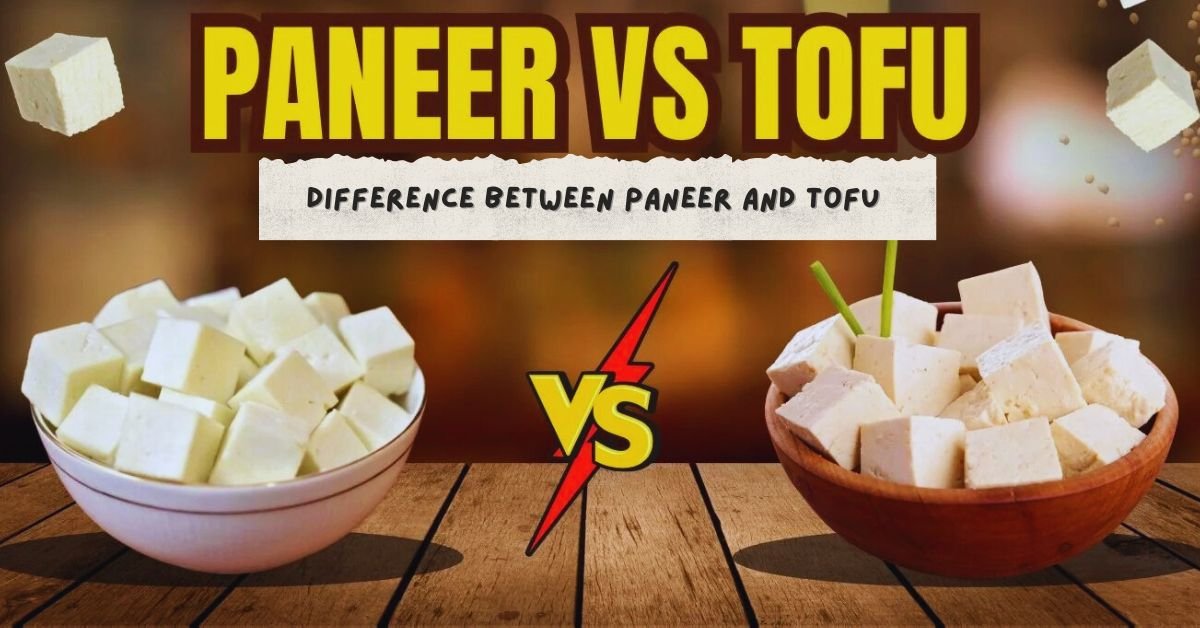
The difference between paneer and tofu is a common question for health-conscious eaters, vegetarians, and fitness enthusiasts. Both look similar and are widely used as protein sources, yet they differ significantly in ingredients, nutrition, taste, texture, and health impact. Understanding paneer vs tofu helps you choose the right option based on diet goals, lactose tolerance, and cooking style. This detailed guide explains everything clearly so you can decide which is better for your lifestyle.
What Is Paneer?
Paneer is a fresh cheese made by curdling milk with lemon juice or vinegar. Unlike aged cheese, it does not melt and holds its shape when cooked. Because it is dairy-based, paneer contains natural fats, calcium, and casein protein, making it rich and satisfying.
Paneer is widely used in dishes like curries, tikka, bhurji, and stuffed parathas. Its mild flavor absorbs spices easily, which is why it is popular in Indian cuisine. However, its fat content is higher than tofu, so portion control matters for calorie-restricted diets.
What Is Tofu?
Tofu, also called bean curd, is made from soy milk that is coagulated and pressed into blocks. It is a plant-based protein widely used in Asian dishes. Tofu comes in multiple textures such as silken, soft, firm, and extra-firm, making it versatile for soups, stir-fries, desserts, and grilling.
Because tofu is soy-based, it is cholesterol-free and lower in saturated fat. It is also lactose-free, which makes it ideal for people with dairy intolerance or those following vegan diets.
Difference Between Paneer and Tofu
Understanding the difference between paneer and tofu helps you choose the right protein source based on nutrition, diet preference, and health goals. The table below gives a quick comparison of their key differences including calories, protein, fat, and dietary suitability.
| Feature | Paneer | Tofu |
|---|---|---|
| Source | Milk | Soybeans |
| Protein | High | Moderate |
| Calories | Higher | Lower |
| Fat | More | Less |
| Lactose | Contains | Lactose-free |
| Diet type | Vegetarian | Vegan |
| Texture | Creamy & firm | Soft to firm varieties |
Taste and Texture Differences
Paneer has a creamy, slightly milky taste with a soft but firm bite. It does not crumble easily and remains solid even after cooking. This makes it perfect for grilled or sautéed recipes.
Tofu has a neutral flavor and absorbs marinades and spices extremely well. Texture varies widely — silken tofu is smooth like custard, while firm tofu is dense and chewy. This versatility makes tofu suitable for both savory and sweet dishes.
Health Benefits Comparison
Both paneer and tofu offer unique health benefits, and understanding their nutritional advantages helps you choose the better option based on your diet and fitness goals.
Paneer benefits
- Rich in calcium for bones
- Good for muscle gain
- Provides energy for active lifestyles
Tofu benefits
- Low calorie and heart-friendly
- High plant protein
- Contains plant compounds including isoflavones (natural antioxidants)
People with lactose intolerance or heart health concerns often prefer tofu, while athletes or those needing calorie-dense meals may choose paneer.
Nutritional Difference Between Tofu and Paneer
To truly understand the difference between paneer and tofu nutrition, it is important to compare not just calories and protein but also micronutrients, digestion, and nutrient absorption.
| Nutrient (100g) | Paneer | Tofu | Expert Insight |
|---|---|---|---|
| Protein | 18–21g | 8–15g | Paneer higher quantity |
| Protein Quality | Very High | Very High | Both complete proteins |
| Fat | 20–25g | 4–8g | Paneer much higher |
| Saturated Fat | High | Very Low | Matters for heart health |
| Calcium | High | High | Both good |
| Iron | Low | Moderate | Tofu wins |
| Magnesium | Low | Moderate | Tofu better |
| Cholesterol | Present | Zero | Only in paneer |
Cooking Uses: Paneer vs Tofu in Recipes
Paneer works best in Indian gravies, grilled dishes, and stuffed recipes because it holds its shape and has a rich texture. Tofu excels in stir-fries, soups, salads, and vegan dishes since it absorbs flavors like a sponge.
A simple rule:
- Want creamy richness → choose paneer
- Want light, healthy protein → choose tofu
Which Is Better: Paneer or Tofu?
The answer depends on dietary goals. For weight management, vegan diets, or heart health, tofu is generally better. For taste richness, muscle gain, or traditional cooking, paneer may be preferred. Neither is universally superior; the right choice depends on nutrition needs and lifestyle.
Examples of When to Choose Each
- Gym diet → tofu for lean protein, paneer for bulking phases
- Keto or high-fat diet → paneer works better
- Vegan meal plan → tofu only option
- Traditional Indian curry → paneer preferred
- Low cholesterol diet → tofu recommended
Expert Tips
- Marinate tofu before cooking for stronger flavor absorption.
- Choose low-fat paneer if reducing calories.
- Press tofu before cooking to remove excess water.
- Pair paneer with fiber-rich vegetables to balance fat content.
- Rotate both foods weekly for nutritional variety.
Common Mistakes People Make
- Assuming paneer and tofu are nutritionally identical.
- Overcooking tofu without pressing it first.
- Eating large quantities of paneer daily, increasing saturated fat intake.
- Not seasoning tofu properly, resulting in bland dishes.
- Ignoring ingredient labels when buying packaged versions.
Frequently Asked Questions (FAQs)
1. What is the main difference between paneer and tofu?
The main difference between paneer and tofu is their source. Paneer is made from milk, while tofu is made from soybeans. Paneer is higher in fat and calories, whereas tofu is lower in calories and completely plant-based.
2. Which is healthier, paneer or tofu?
Tofu is generally considered healthier for daily consumption because it contains less saturated fat and fewer calories. However, paneer is better for muscle gain due to its higher protein and calorie content.
3. Does paneer have more protein than tofu?
Yes, paneer usually contains more protein per 100g than tofu. Paneer provides about 18–21g protein, while tofu provides around 8–15g depending on its type and firmness.
4. Which is better for weight loss: paneer or tofu?
Tofu is better for weight loss because it is lower in calories and fat. Paneer can still be eaten in moderation, but large portions may slow weight-loss progress due to its high calorie density.
5. Can I replace paneer with tofu in recipes?
Yes, tofu can replace paneer in most recipes. Firm tofu works best as a substitute because it holds its shape during cooking and absorbs spices well, similar to paneer.