
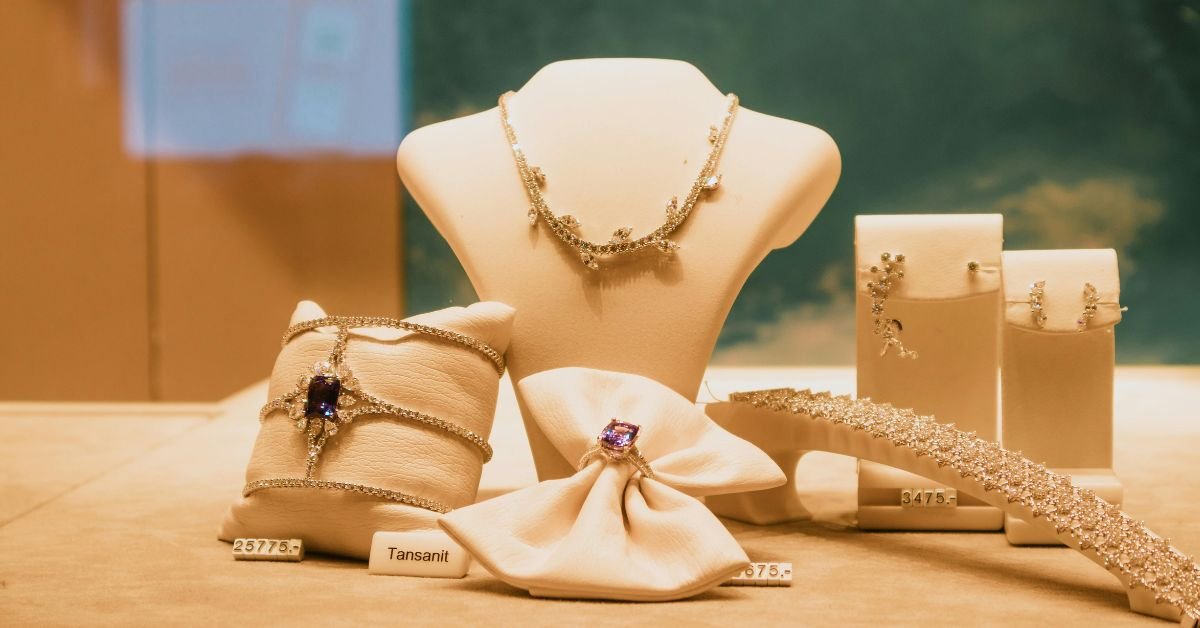
If you are searching for how to start artificial jewellery business, you are looking at one of the most profitable and low-investment fashion segments today. Artificial or imitation jewellery has massive demand due to affordability, trendy designs, and changing fashion cycles.
From college students to working professionals and wedding buyers, the target market is huge. The best part is that you can start this business from home, online, offline, or both. This guide explains every practical step in detail so you can build a sustainable and scalable artificial jewellery brand.
Why Artificial Jewellery Business Is Profitable
The artificial jewellery market in India is growing rapidly due to affordability and fast-changing fashion trends. Unlike gold jewellery, customers buy imitation pieces frequently because styles change quickly.
Key Reasons It Works
- Low investment compared to real jewellery
- High profit margins (30%–70%)
- No heavy inventory risk if sourced smartly
- Easy to sell online via Instagram, WhatsApp, and marketplaces
- Strong seasonal demand (weddings, festivals, parties)
Fashion jewellery also has repeat customers. Someone who buys once usually buys again.
Step 1: Understand the Market and Choose Your Niche
Before starting, research your target audience. Artificial jewellery includes multiple segments such as:
- Bridal imitation jewellery
- Daily wear jewellery
- Oxidised jewellery
- Temple jewellery
- Western fashion jewellery
- Kids jewellery
Choosing a niche helps in branding and focused marketing. For example, bridal jewellery gives higher order value but lower frequency, while daily wear gives frequent sales but smaller margins.
Clarity at this stage avoids random inventory purchase and capital blockage.
Step 2: Create a Simple Business Plan
A structured business plan ensures smoother execution. Include:
- Initial investment
- Supplier sourcing plan
- Sales channel (online/offline/Instagram/market stall)
- Pricing strategy
- Marketing budget
For a small home-based artificial jewellery business, initial investment can start from ₹20,000–₹50,000. If you plan to open a shop, costs increase due to rent and interiors.
Planning prevents unnecessary spending and improves cash flow management.
Step 3: Legal Registration and Licensing
To operate professionally, complete basic registrations:
- Business name registration
- GST registration (if turnover exceeds threshold or selling online marketplaces)
- Current bank account
- MSME registration (optional but beneficial)
If you sell through platforms like Amazon, Flipkart, or Meesho, GST is generally required. Compliance builds credibility and allows scaling without legal issues.
Step 4: Find Reliable Suppliers or Manufacturers
Supplier selection directly impacts quality and profit. You can source from:
- Local wholesale markets (Delhi, Mumbai, Jaipur, Hyderabad)
- Direct manufacturers
- B2B portals
- Importers
Always order sample pieces before bulk buying. Check finishing, polish durability, stone setting quality, and packaging. Poor quality increases return rates and damages brand reputation.
Negotiate bulk discounts to increase margins.
Step 5: Decide Your Business Model
- Home-Based Business – Low investment, online selling, social media marketing. Ideal for beginners.
- Retail Store – Higher investment but strong local presence. Suitable if you have good footfall location.
- Online Jewellery Store – Create your own website using Shopify or WooCommerce. This builds long-term brand value.
- Instagram & WhatsApp Selling – Perfect for starting small. Post catalogue photos, run ads, and collect orders via DM.
Choose based on budget and long-term goals.
Step 6: Pricing Strategy for Maximum Profit
Pricing should cover:
- Product cost
- Packaging
- Shipping
- Marketing expenses
- Profit margin
Example:
If a necklace costs ₹200 wholesale and packaging + shipping costs ₹50, your total cost is ₹250. Selling at ₹499 gives healthy margin.
Avoid underpricing just to compete. Focus on branding and perceived value instead of price wars.
Step 7: Branding and Packaging
Branding differentiates you from thousands of resellers.
- Create a memorable brand name
- Design a simple logo
- Use premium-looking packaging
- Add thank-you cards
Attractive packaging increases repeat purchase probability. Customers buying jewellery often value presentation as much as product quality.
Step 8: Marketing Strategies That Actually Work
Social Media Marketing
Instagram and Facebook are powerful platforms for artificial jewellery business promotion. Use:
- Reels showcasing styling ideas
- Influencer collaborations
- Festival offers
- Customer testimonials
- WhatsApp Broadcast
Send new collection updates to existing customers. Repeat buyers increase profitability.
Paid Ads
Run targeted ads focusing on women aged 18–45 who are interested in fashion, accessories, and online shopping. Use PPC (Pay Per Click) advertising on platforms like Facebook Ads, Instagram Ads, and Google Ads to reach highly specific audiences based on age, interests, behavior, and location.
With a small daily budget of ₹300–₹500 on PPC pay per click campaigns, you can start generating consistent website visits, enquiries, and orders. The advantage of PPC advertising is that you only pay when someone clicks on your ad, making it a cost-effective marketing strategy for beginners starting an artificial jewellery business.
Local Marketing
If running a shop, use local Google Business Profile, pamphlets, and festive discounts. Encourage satisfied customers to leave positive reviews on Google, as strong ratings improve local visibility and build trust. You can also partner with nearby boutiques, beauty parlours, or wedding planners to cross-promote your artificial jewellery and attract ready-to-buy customers.
Step 9: Manage Inventory Smartly
Avoid buying too many designs initially. Start with fast-moving categories like:
- Earrings
- Daily wear chains
- Oxidised sets
Track which designs sell faster. Reinvest profits in best-selling styles instead of experimenting heavily.
Inventory rotation ensures cash flow stability.
Expert Tips to Succeed Faster
- Focus on trending designs from Pinterest and Instagram.
- Shoot high-quality product photos in natural light.
- Offer combo deals to increase cart value.
- Introduce limited edition collections.
- Maintain fast customer response time.
Customer experience builds brand loyalty in fashion business.
Common Mistakes to Avoid
- Buying too much stock without testing demand
- Ignoring product quality checks
- Copying competitors blindly
- Underestimating marketing importance
- Not tracking profit margins properly
Avoiding these mistakes saves money and prevents early business failure.
FAQs About artificial jewellery business
1. How much investment is required to start artificial jewellery business?
You can start from ₹20,000–₹50,000 for a home-based setup. Retail stores require higher capital.
2. Is artificial jewellery business profitable?
Yes, profit margins range from 30% to 70%, depending on sourcing and branding strategy.
3. Do I need GST to start imitation jewellery business?
GST is required if turnover exceeds threshold or if you sell on online marketplaces.
4. Where can I buy artificial jewellery in bulk?
You can source from wholesale markets like Delhi, Mumbai, Jaipur, Hyderabad, or from verified B2B suppliers.
5. Can I start artificial jewellery business from home?
Yes, many entrepreneurs successfully run home-based businesses using Instagram, WhatsApp, and online marketplaces.